
For most demos, reference tracks, and learning projects, self-mixing is completely fine — and many celebrated records were mixed by the artist themselves. For anything you're releasing publicly, especially if you're pitching to playlists, sync libraries, or labels, mixing a song professionally in 2026 typically costs $100–$1,500+ per track depending on the engineer's tier, and for an independent artist chasing a radio-ready sound, the realistic range is $200–$800 per song. That's a concrete number to budget against — and for most artists, it's money well spent.
When self-mixing is genuinely fine
Not every project needs an outside engineer. Here's where doing it yourself makes sense:
- Demos and reference tracks. A rough mix is all you need to communicate ideas to collaborators, producers, or a label A&R. Nobody expects a polished master at the demo stage.
- Learning. Mixing your own sessions is one of the fastest ways to develop ears. The feedback loop is immediate.
- Electronic and bedroom-pop genres. Sound engineering and music production have merged significantly — "the producer makes the music, then sends it to the engineer" is largely over, especially in electronic music. You're the producer, the mix engineer, and increasingly the mastering engineer too.
- Tight budgets with simple arrangements. A singer-songwriter with a simple acoustic track might find a lower-cost or self-mixed result acceptable if they want a clean but straightforward sound.
- When you have a well-treated space and calibrated monitors. If your room lies to you, your mix will too — but if your monitoring setup is solid, self-mixing is a legitimate option at any level.
When hiring a mixing engineer is worth it
The calculus shifts the moment your music is going somewhere that matters commercially.
Release, sync, and playlist pitching. Curators, music supervisors, and streaming algorithms are all comparing your track against professional releases. Because the quality of the mix has a tremendous impact on the sound of a final recording, talented mixing engineers are always in high demand. A mix that doesn't translate across earbuds, car speakers, and club systems is a quiet rejection before anyone hears your song.
Listener fatigue and objectivity. After tracking and editing your own material, you've heard it hundreds of times. A fresh set of ears hears what a listener hears — the imbalances you've stopped noticing, the low-mid buildup you've tuned out, the vocal that's buried on phone speakers.
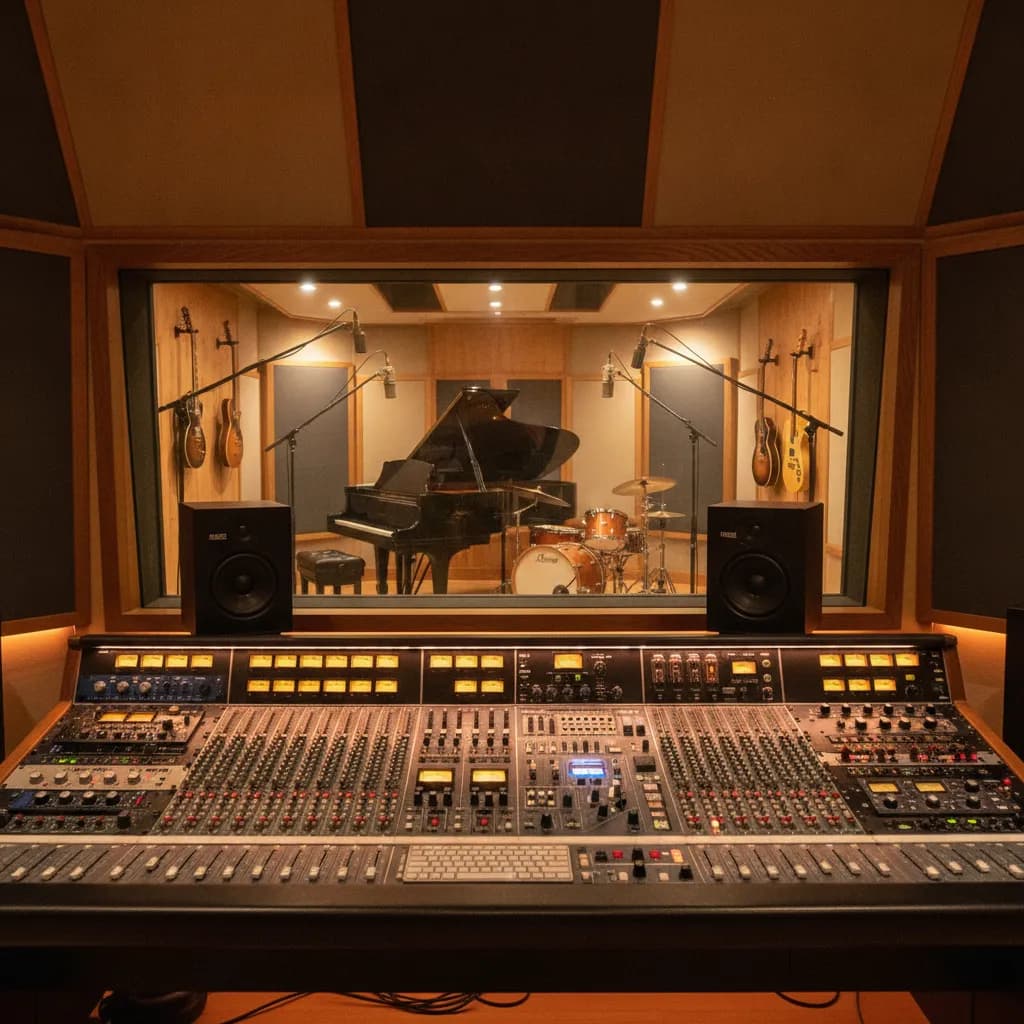
Treated rooms and calibrated monitoring. A mixer's job is to take your recorded tracks — rough, un-processed, often messy — and balance them into a finished record that translates across playback systems, including level balancing, EQ, compression, spatial placement, automation, parallel processing, and sometimes creative effects work. That work requires a room that tells the truth.
Track complexity. A session with 80 tracks (common in modern pop or dense orchestral indie) takes significantly more time to balance and clean than a 10-track hip-hop session. More tracks mean more time spent on phase correction, surgical EQ, and automation. Beyond a certain track count, self-mixing becomes a diminishing-returns exercise.
Well-recorded tracks are the prerequisite. If the recording is fundamentally flawed, fix that first. No mix engineer, at any price, can rescue a bad source — and paying a pro to try is the most common way budgets get wasted. Book your tracking session first, get clean takes, then bring in the mixer.
What you actually pay in 2026
Per-song pricing is the industry standard for independent artists in 2026. Hourly billing still exists at large commercial rooms, typically $50–$200/hour plus the room fee — and a dense mix can eat 10+ hours.
| Scenario | Self-mix | Hire a mixing engineer |
|---|---|---|
| Demo / reference track | ✅ Ideal | Unnecessary spend |
| Learning your DAW | ✅ Best way to improve | Not the goal here |
| Single or EP release (indie) | Risky if room is untreated | ✅ Recommended — $200–$800/song typical |
| Sync / TV / film pitch | Not recommended | ✅ Required at most libraries |
| Label showcase or A&R submission | Risky | ✅ Strongly recommended |
| Podcast / spoken word | ✅ Fine with basic processing | Rarely needed |
| Full band album, complex arrangement | Difficult without pro monitoring | ✅ Worth it — $400–$1,500+/song |
| AI-assisted quick release | ✅ Tools like iZotope Neutron acceptable | Optional at this level |
Paradise rates are public and exact. LA market ranges are typical figures drawn from multiple 2026 sources and will vary by engineer tier and project complexity.
What a treated room and fresh ears actually buy you
A professional mixing engineer working in a treated room with calibrated monitors isn't just applying more plugins than you have. They're hearing things you've stopped hearing.
Well-recorded, properly prepared tracks are a joy to mix — the engineer can focus on creative decisions and making the song sound amazing rather than spending billable time on cleanup. That's why clean tracking is the single biggest thing you can do before handing files to a mixer.
Your listeners on Spotify won't hear the difference between a $400 mix and a $1,200 mix, but they will hear the difference between a $100 mix and a $400 one. That's a useful calibration: the jump from no professional mixing to mid-tier professional mixing is audible. The jump from mid-tier to top-tier is subtler and often only matters at a commercial release scale.
Many great records — especially in hip-hop, electronic, and indie — were mixed by the artist or producer. Self-mixing is not a shortcut; it's a legitimate craft. The question is honest: do you have the ears, the room, and the objectivity right now, for this specific release?
Paradise Recording's approach
Every session at Paradise Recording books the whole studio — the Rainforest Room for vocals and podcasts and the Rock Room for full bands and live tracking — and includes an in-house engineer. That means your tracking session already benefits from a professional set of ears on mic placement, gain staging, and signal chain decisions that directly affect how easy (or hard) your mix will be.
After tracking, you have options. You can take your files to a freelance mixer, or use Paradise's own mixing and mastering service, where the engineer already knows your session. For artists who record regularly, our membership makes ongoing access — including mix sessions — more cost-effective.
Recording in LA in 2026 can cost anywhere from $50 to over $300 per hour. Paradise's posted rates sit squarely in the professional mid-range: whole-studio sessions run $160 for 2 hours up to $850 for 12, engineer included (every rate).
We're at 1505 4th St, Suite 219, Santa Monica, a five-minute walk from the Metro E Line's Downtown Santa Monica terminus at 4th & Colorado, open daily 9am–2am. For a broader look at your options across the Westside, see our guide to the best recording studios in Santa Monica or the best recording studios in Los Angeles.
Frequently asked questions
Can I self-mix and then have it mastered professionally?
Yes, and it's a common approach for demos and lower-stakes releases. A mastering engineer can do a lot with a decent self-mix. But mastering cannot fix a mix — it can only optimize what's already there. A master polishes one finished stereo file; less time, fewer decisions, lower price — but the wrong master can still sink a great mix, so don't zero out the budget.
How many revision rounds should I expect from a mixing engineer?
Most engineers offer 1–3 rounds of revisions as part of their standard rate. Clarify this before you book — and come prepared with specific, referenced notes rather than vague feedback. The clearer your direction, the fewer rounds you'll need.
Does it matter if my mixing engineer knows my genre?
Yes, meaningfully. Mid-tier professionals in the $300–$700 range bring experience and genre-specific knowledge alongside a proper monitoring setup. A hip-hop mixer and a classical mixer are solving very different problems. Ask to hear recent work in your genre before committing.
What's the difference between mixing and mastering — do I need both?
They're sequential steps. Mixing balances individual tracks into a stereo (or spatial) file; mastering optimizes that file for distribution and ensures consistency across an album or EP. For a deeper breakdown, see our guide on what is the difference between mixing and mastering. For most releases, yes — you want both.
How long does mixing typically take?
Mixing an album can take anywhere from a few days to several weeks, during which time the mixing engineer is unlikely to focus on much else. A single song with a typical track count runs 4–10 hours of engineer time. For turnaround expectations on your specific project, see our guide on how long does mixing and mastering take.
Should I bring rough mixes to my tracking session?
Absolutely. Reference mixes help your tracking engineer understand the sonic target before a single mic goes up. That shapes mic choices, room decisions, and arrangement calls in real time — which is exactly what makes the eventual mix easier. See our checklist for preparing for your first recording session for a full pre-session rundown.
Next steps
- Book a session — whole studio from $160/2hr, engineer included
- Mixing and mastering services — post-session mixing with engineers who know your tracks
- Studio membership — ongoing access for artists who record regularly
- How much does mixing and mastering cost? (2026)
- Home studio vs professional recording studio
- Mixing and mastering services: what they cost in 2026
Facts and prices on this page last verified 2026-08-08 by the Paradise Recording team.