
The honest answer: 20–40 studio hours, 2–6 months on the calendar
A well-prepared indie artist or band can track a 4–6 song EP in roughly 20–40 studio hours. An EP of 4–6 songs typically requires 20–30 hours of dedicated recording time, depending on the complexity of the material. But studio hours are only one piece of the puzzle. Once you add scheduling gaps between sessions, revision rounds, a mixing queue, mastering, and distribution lead time, most indie EPs land somewhere between two and six months from first session to release day — even when everything goes smoothly.
Why the calendar stretches so far past the studio hours
Scheduling and session gaps
Bands have day jobs. Engineers have full rosters. Life happens. Most artists don't block-book 40 consecutive hours; they come in for a 6- or 8-hour session, go home, listen back, and return a week or two later. Three or four sessions spread across four to eight weeks is the most common pattern. The good news is that momentum builds: people get into the swing of it, the equipment stays set up, and by the end of the project things are moving noticeably faster than at the start.
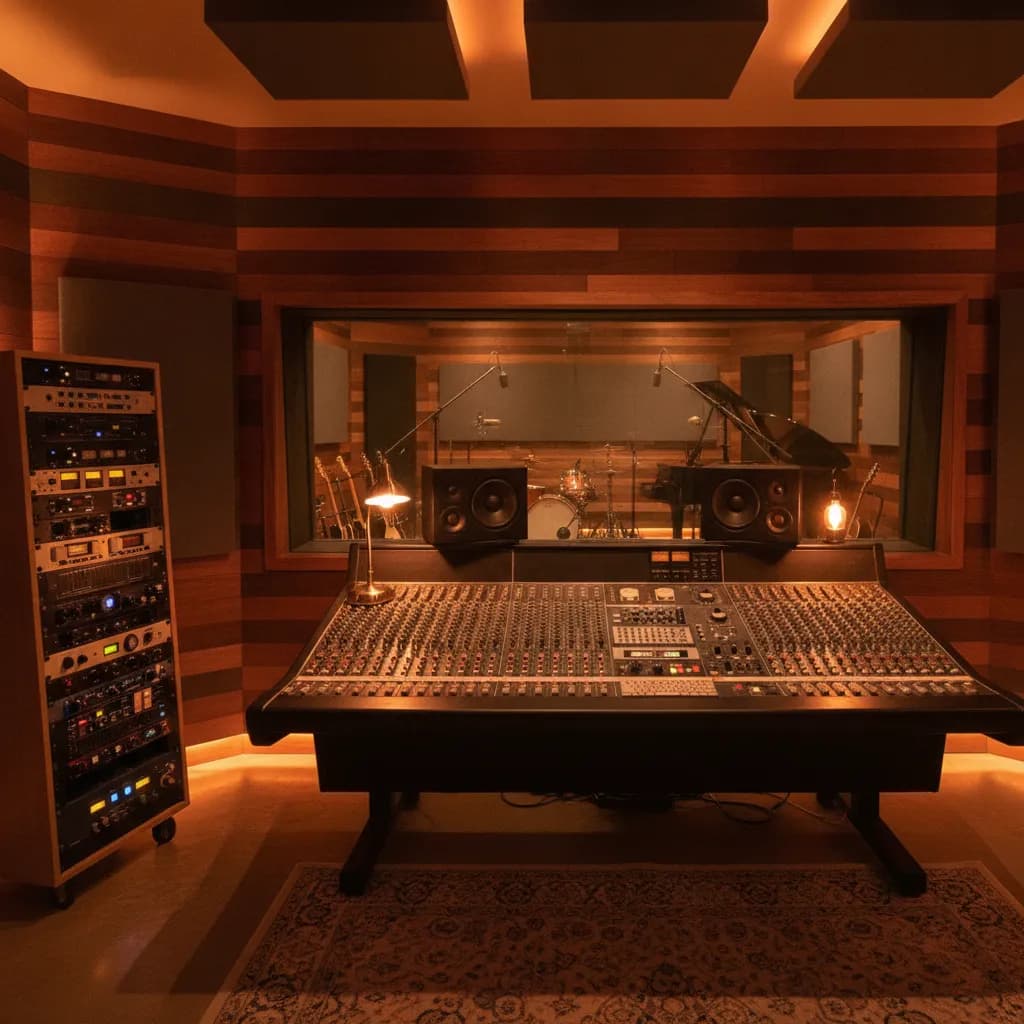
If you're tracking a full band — drums, bass, guitars, keys, and vocals all needing their own passes — budget toward the higher end of that range and plan for more sessions. Our Rock Room is set up for exactly this: full kit, baby grand, and a room that handles loud, live tracking without compromise. Solo artists and singer-songwriters working in a focused vocal room like our Rainforest Room can often move faster.
Mixing: 1–4 weeks in the queue
Once tracking wraps, files go to a mixing engineer — who is almost certainly working on other projects. Mixing and mastering turnaround time varies with prep and revisions; expect 3–10 business days for mixes plus 1–4 for masters, plus buffer. A busy engineer with a full calendar can push your EP's mix start date out by two to three weeks before the clock even starts. If you want your tracks back quickly, most engineers charge a rush fee — because mixing and mastering require fresh listening, revisions, and playback checks, steps that get compressed when deadlines are tight.
Revision rounds add more time. Plan for at least one round of mix notes per song, and budget an extra few days per round. Our mixing and mastering service keeps this in-house, which shortens the handoff gap considerably.
Mastering: 3–10 business days (per song, sequentially)
Professional mastering services typically require three to five days but provide individual attention to each track, unlimited revisions until you're satisfied, and work in properly treated acoustic environments. For an EP, mastering isn't just five songs processed in parallel — the engineer focuses on making all three to six songs work together cohesively while maintaining each song's individual character, which sometimes means going back to adjust earlier masters once the full sonic direction of the project becomes clear. Factor in one revision round and you're looking at one to two weeks for mastering alone. See our guide on how long does mixing and mastering take? for a deeper breakdown.
Distribution lead time: 3–4 weeks before release day
This is the step most artists forget until it's too late. Most distributors take 1 to 3 weeks to deliver a release to Spotify and Apple Music, though some premium tiers offer faster turnaround. But the technical delivery window is only part of it. To be safe, submit your release at least 2 weeks before your release date — 3 to 4 weeks is ideal — to allow time for quality review, platform processing, and resolving any issues before launch. If you want any shot at editorial playlist consideration, EPs need 8 to 12 weeks of release planning, and the biggest bottleneck is usually distribution and editorial pitching, which requires 3 to 4 weeks of lead time before your release date.
Project timeline at a glance
The table below maps three common EP scenarios to realistic studio hours and calendar time. Studio hours are based on industry norms; LA hourly rate ranges are drawn from current market data across the region.
| EP Type | Songs | Typical Studio Hours | Typical LA Rate Range* | Realistic Calendar Time |
|---|---|---|---|---|
| Solo artist (vocals + minimal production) | 4 | 16–24 hrs | $50–$150/hr | 6–10 weeks |
| Singer-songwriter (live instrument + vocals) | 5 | 25–35 hrs | $50–$150/hr | 8–14 weeks |
| Full band (drums, bass, guitars, vocals) | 5–6 | 35–55 hrs | $75–$300/hr | 3–6 months |
*Typical LA ranges sourced from current market data. Studio time in Los Angeles typically ranges from $35–$150 per hour, depending on the studio, equipment, and whether an engineer is included. Rooms with in-house engineers, premium acoustics, or live rooms for full bands sit toward the higher end of that range. Recording a song at an LA recording studio in 2026 can cost anywhere from $50 to over $300 per hour. Paradise's posted rates — the whole studio from $160/2 hr — fall solidly in the mid-market range with an in-house engineer always included.
How to work backward from your release date
The cleanest way to plan is to pick your release date first, then count backward:
- Release day (Friday) — global new music day on all major DSPs
- Minus 4 weeks — upload to your distributor; submit Spotify editorial pitch
- Minus 1–2 weeks — mastering approved and files delivered to distributor
- Minus 2–4 weeks — mixing complete, revision rounds done
- Minus 2–6 weeks — tracking sessions complete, stems exported
- Start here — first studio session
For a band aiming to release on a specific Friday three months out, that means booking your first session this week. For a solo artist on a tighter timeline, six to eight weeks is achievable if you come in prepared and move fast on the post-production side. Check our guide on how to prepare for your first recording session — preparation is the single biggest variable you can control.
The home studio question
If budget is the primary constraint and your release date is flexible, home recording for scratch tracks or even full productions is a legitimate option for some genres. Our honest take: for vocals, acoustic instruments, and anything where room sound matters, a treated professional room still makes a meaningful difference in the final product. See our home studio vs. professional recording studio comparison for a genre-by-genre breakdown. Many artists use a hybrid approach — demos and production at home, final vocal takes and mixing at a professional facility.
One thing that compresses the timeline: showing up ready
It mostly comes down to the prep work before the recording — the more pre-recording work is done, the less the actual recording time needs to be. Know your arrangements cold. Have your tempos mapped. Bring reference mixes. An artist who walks in knowing exactly what they want to record can move through material two to three times faster than one who's still figuring it out in the room. That's not a judgment — it's just physics. Studio time is finite, and the clock runs whether you're tracking or deciding.
Frequently asked questions
Can I record an EP in a single weekend?
Technically yes — if you're tracking a solo artist with simple arrangements and already have strong demos to reference. For composing an EP, you will at least require 2–3 full studio days to compose a refined mix. Two long days (12 hours each) can get tracking done for a focused solo project. The post-production pipeline — mixing, mastering, distribution — still adds weeks regardless of how fast you track.
How many songs is an EP?
The industry standard is 3–6 songs, typically running 10–25 minutes. Three songs is the minimum most distributors and platforms recognize as an EP rather than a single or double A-side. Six songs starts to blur into album territory depending on runtime.
Does hiring a producer add time to the EP timeline?
Usually yes — and usually worth it. A producer adds pre-production meetings, arrangement feedback, and often additional production passes after tracking. Budget an extra two to four weeks in your calendar if you're working with a producer who isn't your engineer. The upside is that well-produced tracks often require fewer revision rounds in mixing, which can claw some of that time back.
What's the fastest a professional EP has ever been recorded?
Fast tracking is real — Black Sabbath recorded their debut album in a single 12-hour session in 1969 because it was all material they had been playing together live for months; they knew exactly what they were going to play, and most tracks were cut in one take. That's the extreme. For most indie artists, "fast" means two to three focused sessions over two to three weeks, not one marathon day.
Should I book mixing and mastering before I finish tracking?
Yes — especially with a busy engineer. Reach out and get on the calendar before your last tracking session. Walking in with a confirmed mix start date forces you to finish on time and avoids a two-to-three-week gap while you wait for a slot to open up. Our mixing and mastering service accepts bookings in advance.
How far ahead should I book studio time for an EP?
Same-day booking is genuinely rare at professional studios in LA — most rooms require 24 to 48 hours notice. For an EP with multiple sessions, booking one to two weeks out per session is a reasonable baseline. If you have a fixed release date, work backward from it and lock in every session date before you start. Our guide on how far in advance to book a recording studio has the full breakdown.
Next steps
- Book a session — whole studio from $160/2 hr, engineer always included
- Explore the studio — the Rainforest Room and Rock Room come with every booking
- Mixing and mastering — keep post-production in-house and compress your timeline
- Membership options — if you're recording regularly, a membership often beats per-session rates for EP-length projects
- How many songs can you record in a day? — related guide
- How long does it take to record a song? — per-song breakdown
- Band recording studio Los Angeles — full-band EP planning guide
Facts and prices on this page last verified 2026-08-18 by the Paradise Recording team.