
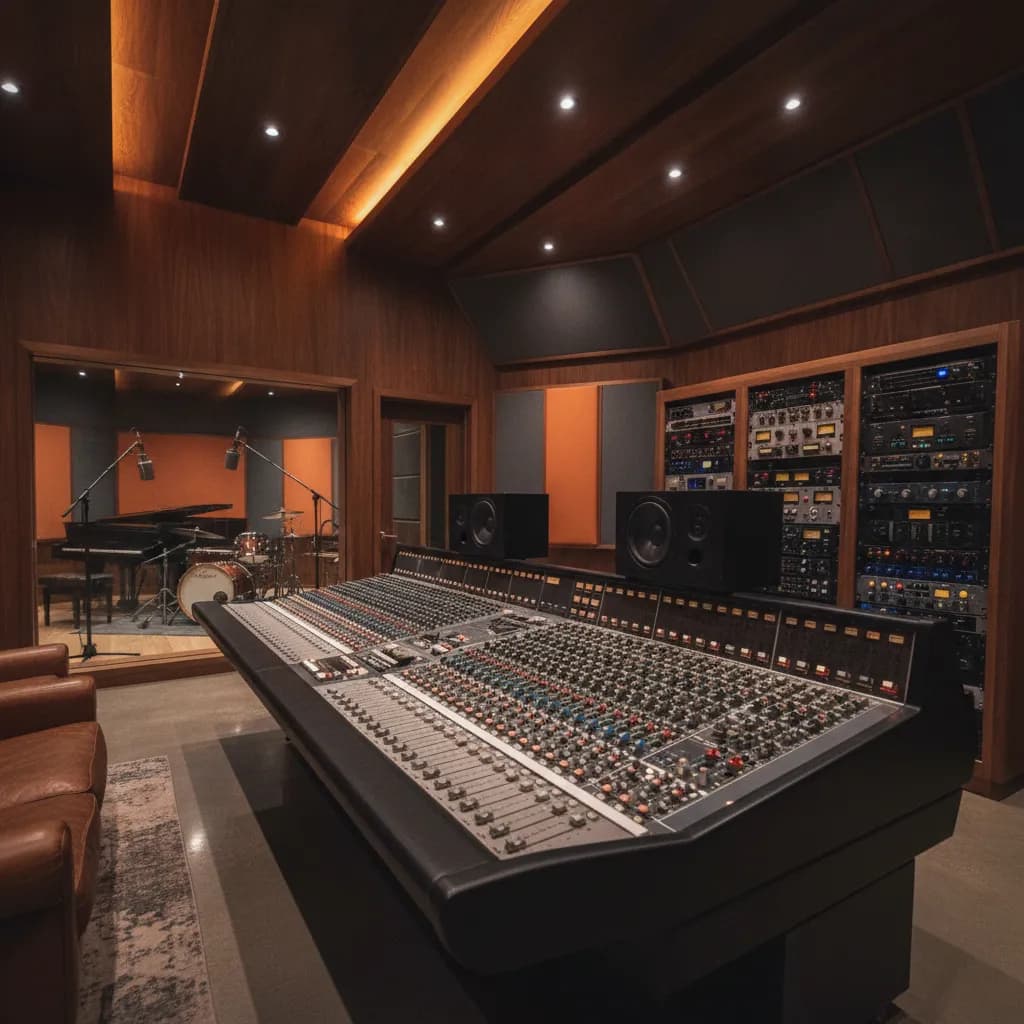
What a podcast studio actually costs in 2026
Renting a dedicated podcast studio in Los Angeles runs $50–$200 per hour for a professional setup. The median sits close to $100/hr for audio-only rooms; multi-camera video suites and engineer-included packages push toward the top of that range. At Paradise Recording, the Rainforest Room — purpose-built for vocals, voiceover, and podcasting — starts at $200 for two hours, with an in-house engineer included in every session at no extra charge.
A two-hour solo episode or a two-host interview typically fits in a 2–4 hr block. Longer conversations, three or more guests, or any post-session file review push most podcasters toward a 4–6 hr booking.
The pricing table: setup type vs. what you'll pay
| Setup type | Typical LA hourly range | Paradise Rainforest Room |
|---|---|---|
| Budget audio-only room (basic mics, no engineer) | $30–$65/hr | — |
| Mid-range treated room, engineer included | $75–$150/hr | $100/hr (2 hr block = $200) |
| Premium treated room, engineer included | $125–$200/hr | $75/hr (8 hr block = $595) |
| Multi-cam video podcast suite | $150–$250+/hr | — |
Typical LA ranges are market estimates based on published aggregator data; individual studios vary. Paradise rates are posted prices as of 2026-08-05.
What separates a real podcast room from a rented office
This is the question most first-time bookers skip — and it's the one that matters most for sound quality.
Acoustic treatment. Acoustic treatment, not equipment, is the defining variable between home and professional recording quality. Without treatment, sound reflects unpredictably off walls, ceilings, floors, desks, and glass — which is why professionally treated studios sound dramatically different, even when using the same microphones as a home setup. A rented conference room or co-working pod almost never has this.
Soundproofing. Soundproofing is different from acoustic treatment — both are required for a professional podcast studio. Street noise, HVAC rumble, and hallway conversations bleed into untreated rooms in ways that no amount of post-production can fully fix.
Microphone count and headphone mixes. A solo setup needs one mic and one set of cans. Bring two or three guests and you need individual XLR channels feeding separate headphone mixes so every voice is captured cleanly on its own track. USB microphones work for solo recordings; XLR setups are best for multi-host configurations — connecting multiple mics to a mixer. Budget rooms often max out at one or two inputs.
Separate tracks. A real podcast room records each voice to its own track. That's what lets you edit one host's stumble without touching the other's audio, and it's what makes mixing actually workable.
Video option. If your show lives on YouTube or you clip for social, you'll want a room with camera positions, consistent lighting, and a set that doesn't fight the acoustic panels. Not every studio offers this — confirm before you book.
Engineer on duty. Some studios quote a low hourly rate but then add fees for an engineer, camera use, or premium microphones — so the final bill can be much higher than the sticker price suggests. At Paradise, the engineer is always included. There's no surprise line item at checkout.
Solo vs. 2–3 guest setups: what changes
A solo episode is the simplest case — one mic, one headphone mix, a 2-hr block covers most 45–60 minute episodes with time to settle in and export. The length of time it takes to record a podcast episode depends on the episode length and the number of people involved; it typically takes around two hours to record a 60-minute episode, including set-up time and exporting files at the end.
A two-host or guest-interview setup doubles the mic count and adds complexity to the mix. Plan for a 4 hr block to allow for a proper soundcheck, a full conversation, and a clean bounce. The Rainforest Room handles this comfortably.
A panel of three or more benefits from a larger session. More voices mean more gain-staging, more headphone sends, and more editing time after. A 6 hr block gives you breathing room.
For multi-host setups across multiple episodes, see our guide on podcast recording with two or more hosts.
Booking norms: deposits, minimums, and file delivery
Two-hour minimums are common across the industry; deposits are standard to secure bookings. Most studios — including Paradise — require a deposit at the time of booking. Cancellations typically require at least 48 hours' notice; failing to provide it usually means the deposit is forfeited. Read the cancellation policy before you book — policies vary. For a full breakdown of what's normal in LA, see our guide on recording studio deposit and cancellation policies.
Same-day file delivery is something worth asking about explicitly. Paradise delivers your session files the same day — no waiting a week for a Dropbox link before you can start editing.
When a home setup makes more sense
Honesty first: if you record solo, weekly, and your room is already carpeted and furnished, a modest home setup can produce clean audio. An audio-only, solo, straightforward show doesn't need the same room as a branded interview series with multiple guests, cameras, lighting, and a producer. Practical rule: buy enough studio to protect the quality of the episode, not so much that you're funding features you'll never use.
Where a studio earns its keep: guest episodes (your guest's home is never treated), launch episodes where first impressions matter, video-first shows, and any session where you need an engineer catching levels while you focus on the conversation.
For a full side-by-side, see our guide on home studio vs. professional recording studio.
Getting to Paradise Recording in Santa Monica
The Rainforest Room is at 1505 4th St, Ste 219, Santa Monica CA 90401, open 9am–2am daily. The Metro E Line's Downtown Santa Monica terminus at 4th & Colorado is about a five-minute walk. Big Blue Bus lines stop within a couple of blocks. If you drive, Santa Monica's downtown public parking structures on 4th and 5th Streets start with free hours — a short session often costs nothing to park.
For a broader look at podcast and recording options across the Westside, see our guides to the best recording studios in Santa Monica and the best podcast studios in Los Angeles.
Frequently asked questions
How much does a 2-hour podcast session cost in Los Angeles?
Expect to pay around $100/hr at a mid-range LA studio, with published rates running from $18 to $250 per hour depending on whether you need audio only, multi-cam video, or an engineer included. At Paradise Recording, a 2-hour Rainforest Room session is $200 with an in-house engineer included — no add-on fees for the engineer.
Is an engineer included, or is that extra?
It depends entirely on the studio. Inclusions vary by studio — budget rooms may only provide a room and basic mics. At Paradise, every session includes the in-house engineer at every price point. If you're comparing quotes elsewhere, always ask whether the engineer fee is bundled or billed separately. See our guide on whether recording studios provide an engineer.
How long does it take to record a podcast episode?
The time required depends on episode length and the number of people involved; it typically takes around two hours to record a 60-minute podcast episode. Add a guest or two, and a 4-hour block is a safer plan — it covers soundcheck, the conversation, and any re-dos without feeling rushed.
What's the minimum booking at most podcast studios?
Most recording studios require minimum bookings of 2–4 hours, with longer minimums during peak periods. Paradise's shortest posted block is 2 hours, which covers the majority of solo and two-host episodes.
Do LA podcast studios charge extra for video recording?
Based on rates published by Los Angeles studios, audio-only sessions sit at the low end of the pricing range; multi-cam video and engineer-included packages cost more. If video is part of your show, confirm whether cameras, lighting, and video export are included or priced separately before booking.
What should I bring to a podcast studio session?
Show up with your episode outline or question list, any guest contact info for coordination, and your headphones if you have a preferred pair (though the studio will supply them). For a full pre-session checklist, see how to prepare for your first recording session.
Next steps
- Book a session — see live availability for the Rainforest Room
- Rainforest Room details — gear, photos, and full rate card
- Mixing and mastering — finish your episode after the session
- Membership options — better rates if you record regularly
- Where to record a podcast in Los Angeles — full market guide
- Podcast studio rental cost in Los Angeles (2026) — deeper pricing breakdown
Facts and prices on this page last verified 2026-08-05 by the Paradise Recording team.